How to Master Pâte à Choux for Perfect French Pastries
The light and airy dough is a blank canvas for cream-filled profiteroles, cheesy gougères, and more.
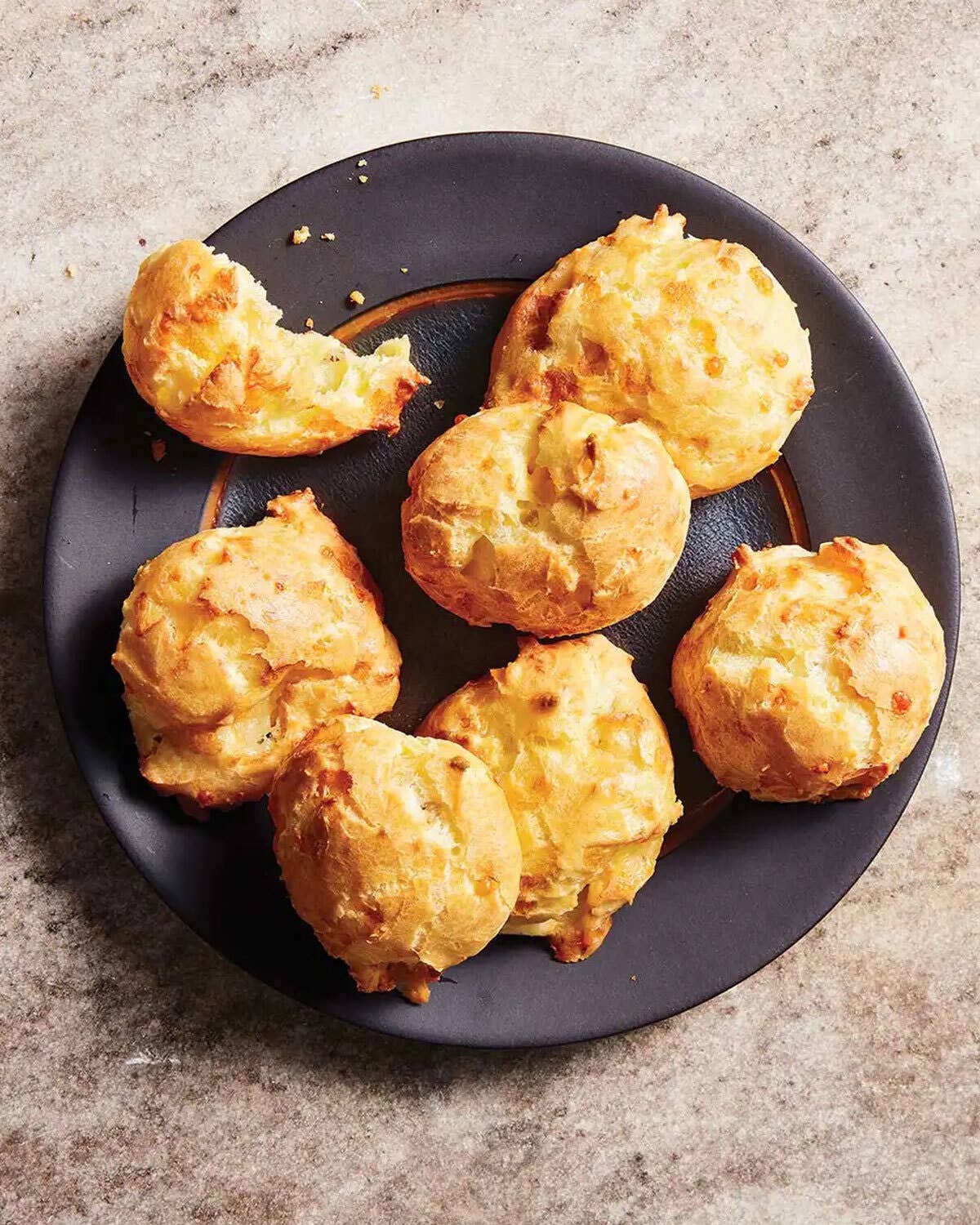
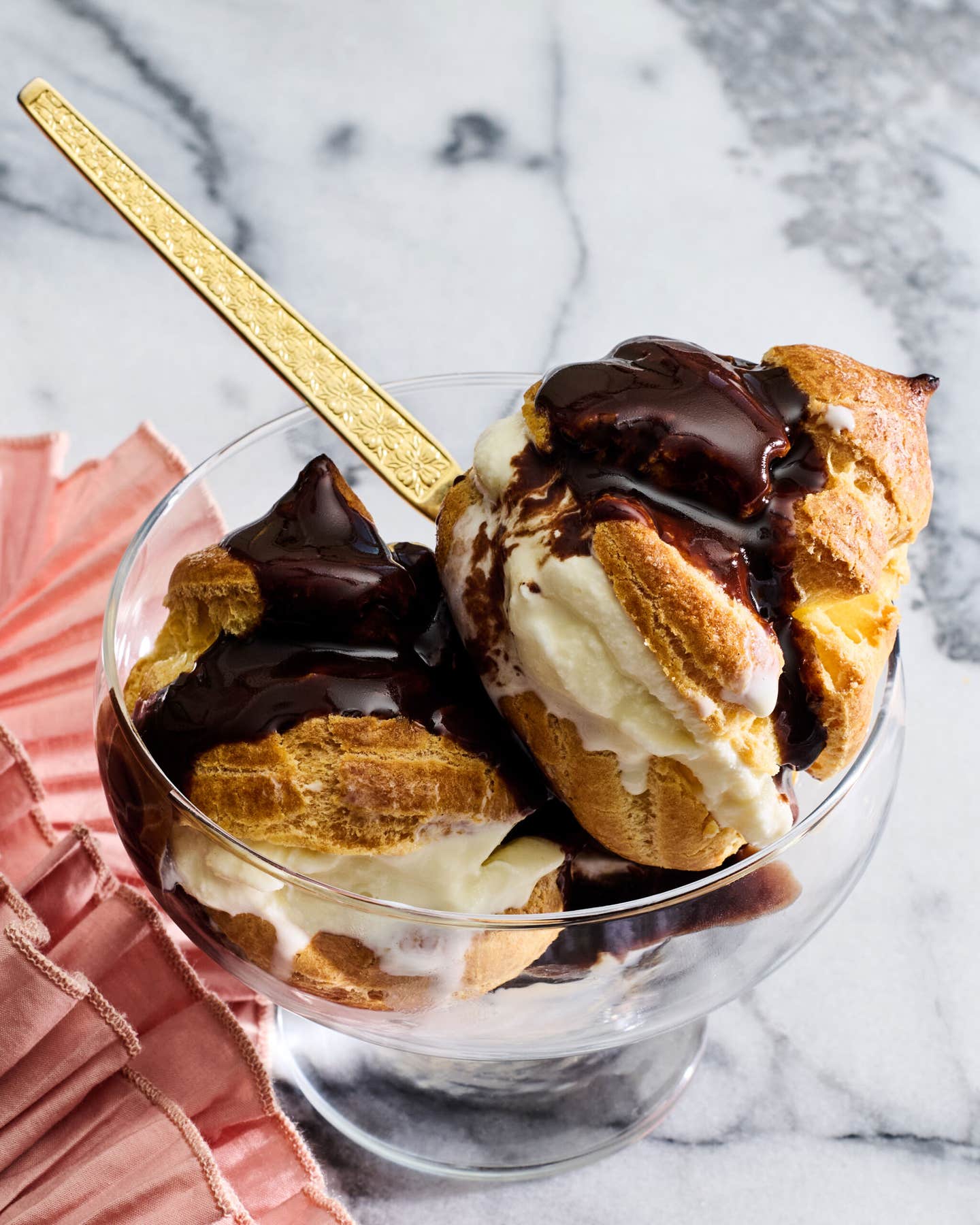
Relying on just a few staple ingredients, pâte à choux, or French choux pastry, is the base of some of the country’s most famed desserts (as well as some savory treats). Milk, water, butter, and flour are combined and cooked in a pot until a soft dough forms, before a few eggs transform it into a rich, golden yellow paste that can be piped or scooped into a variety of shapes. As it bakes, the excess moisture in this highly-hydrated batter turns to steam, lifting the dough and leaving behind a spongy, airy interior while the outer shell crisps up. The resulting pastry is perfect for filling with custard, fruit compote, or even ice cream.
The French love to describe things in terms of vegetables, although quite often, the topic being discussed doesn’t feature a vegetable at all. (For example, “occupe-toi de tes oignons” translates to “take care of your onions” but is used instead to mean “mind your own business!”) Pâte à choux is no different. The word choux means “cabbage,” likely used to describe pastries like gougères or profiteroles, which tend to look like plump little cabbages after leaving the oven.
While the process of making, piping, baking, and filling pâte à choux can take some practice to master, overall, it’s quite simple—and often one of the first things a young pastry chef will learn. For a home cook, it’s a great way to take on a new skill in the kitchen and impress guests at your next dinner party. Regardless of what recipe you opt to use (see below for some of our favorites), the preparation is largely the same, and this guide will walk you through the basics.
Step 1: Heat up the liquids.
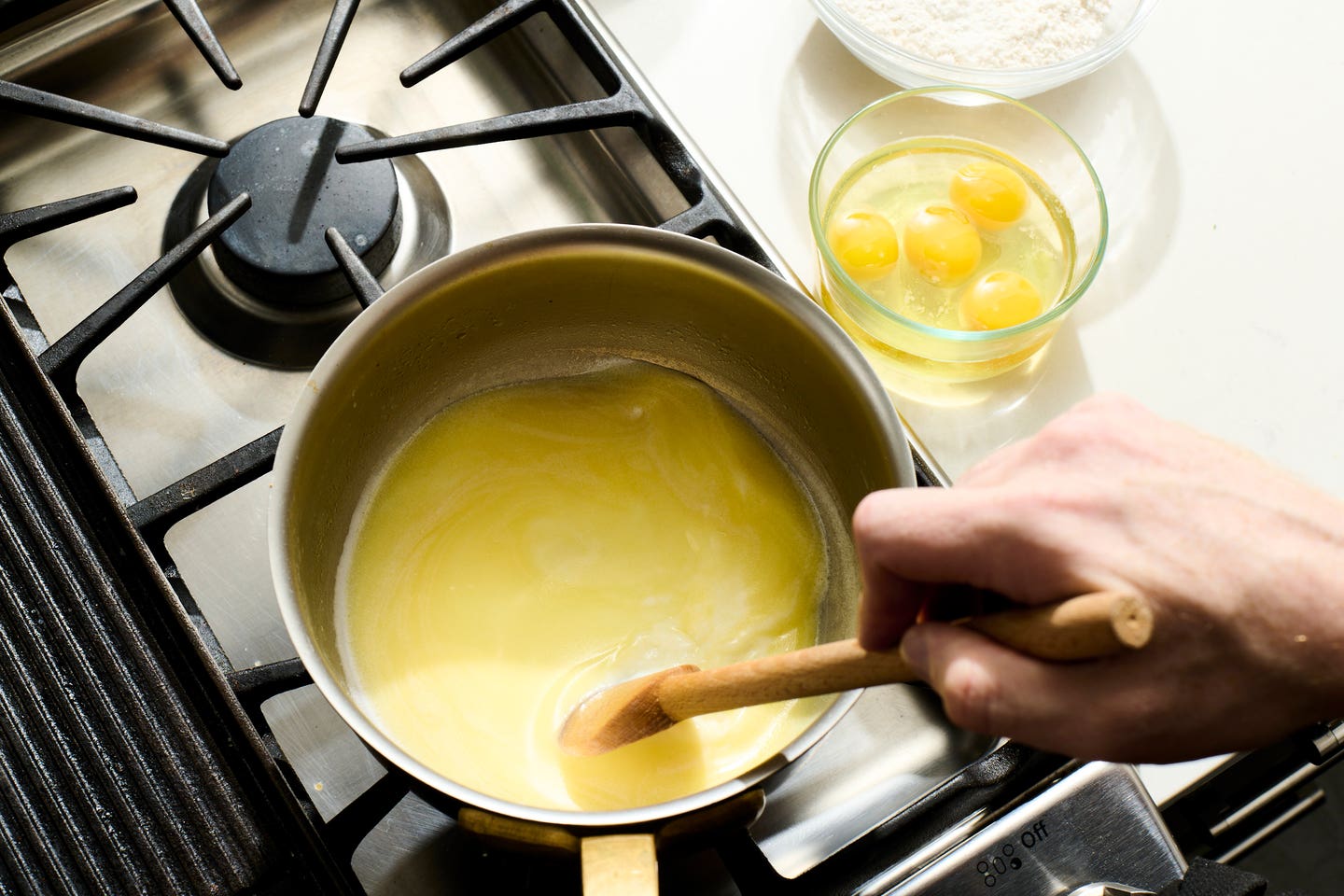

Combine your milk, water, and butter in a saucepan with salt and/or sugar (depending on your recipe) over medium heat until it begins to simmer.
Step 2: Add the flour and cook.
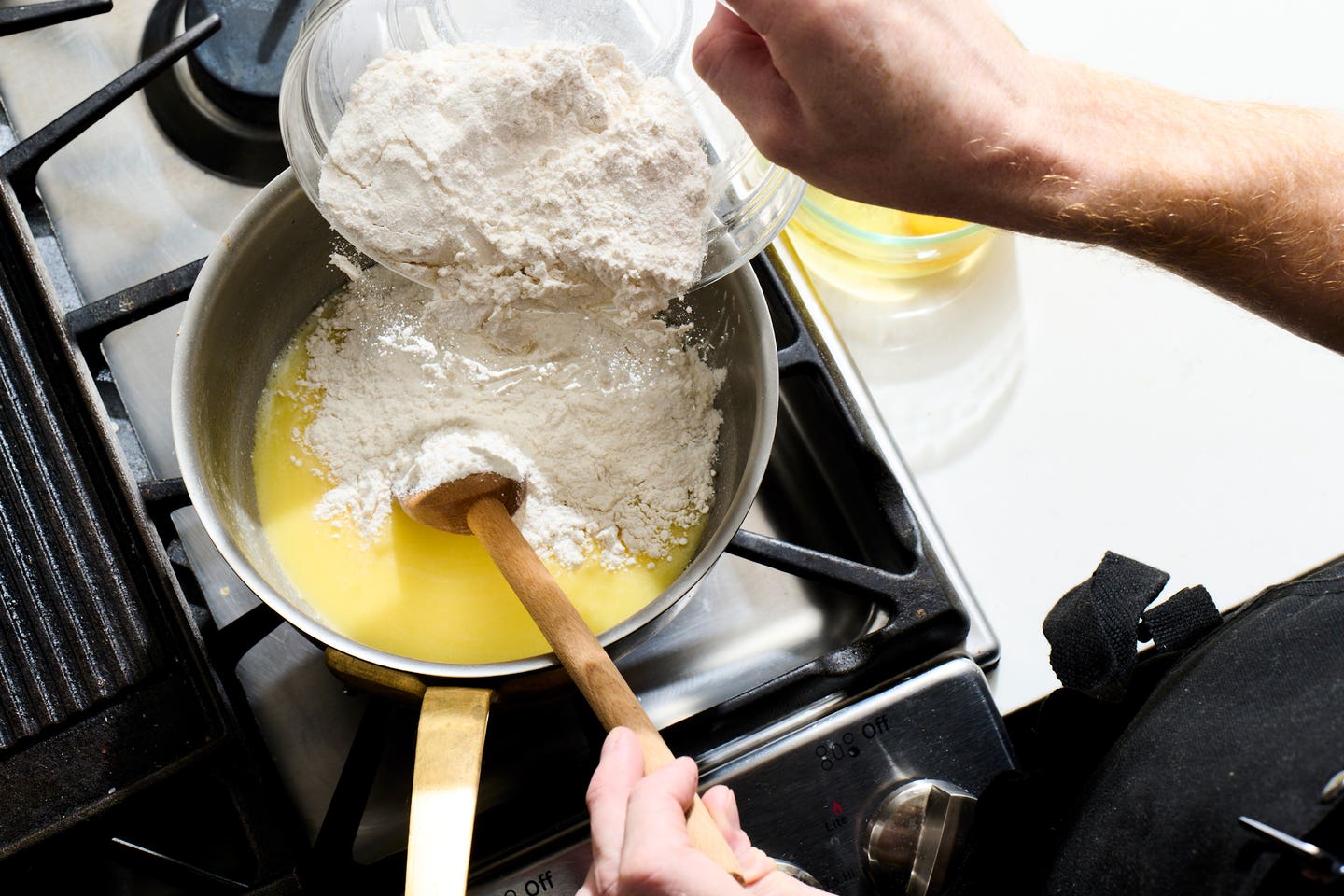

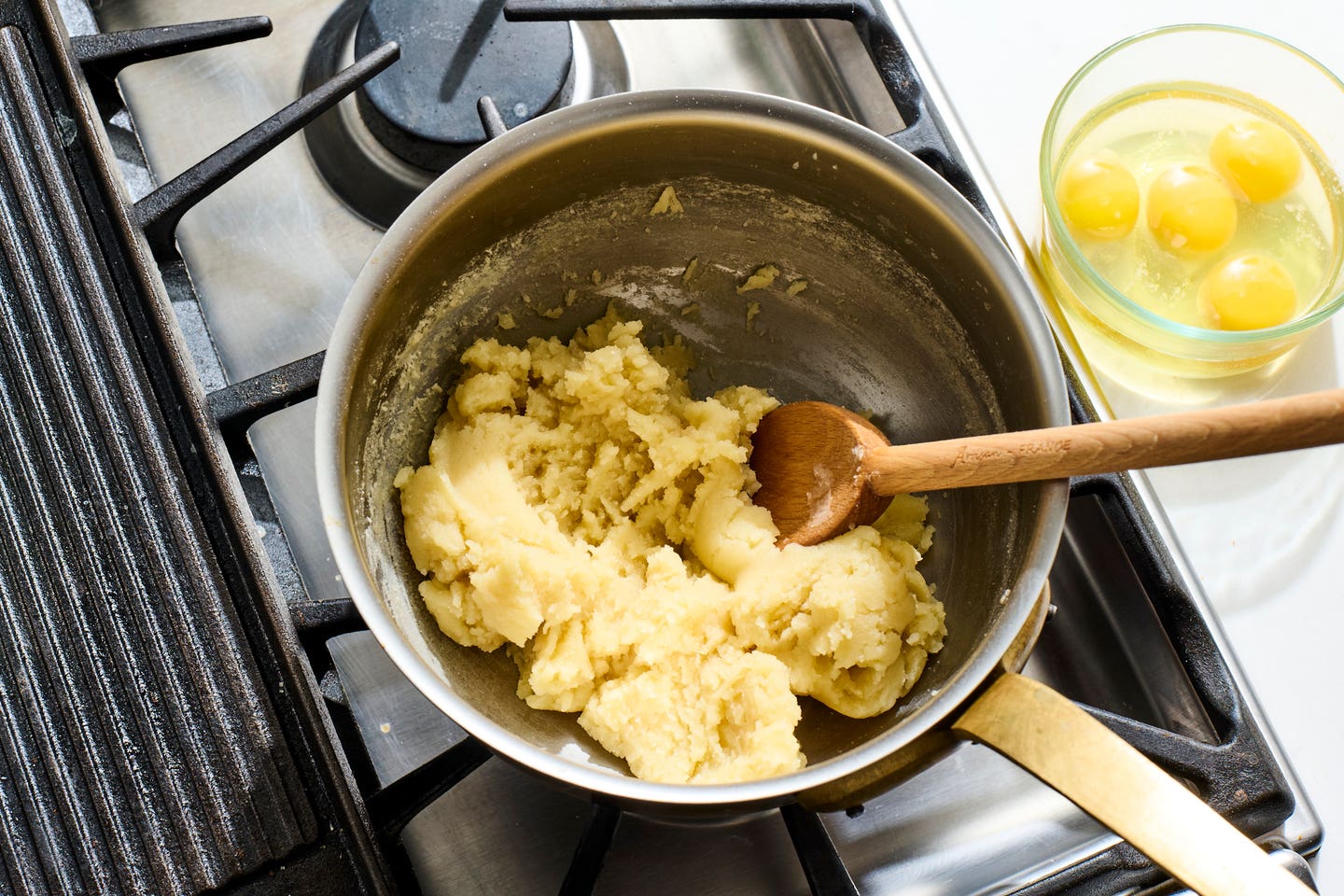
Remove the saucepan from the heat. Using a wooden spoon, add the flour and stir to combine. Return the saucepan to medium heat and continue stirring until a dough ball forms. Continue stirring the dough for several minutes until the flour is cooked through and a light film is beginning to form on the inside of the pot. Once you see this, your dough is ready for the next step.
Step 3: Allow the dough to cool slightly.

Transfer the dough into the bowl of a stand mixer and occasionally stir to help it cool. If the dough is too hot, the eggs will curdle when you add them.
Step 4: Add the eggs.
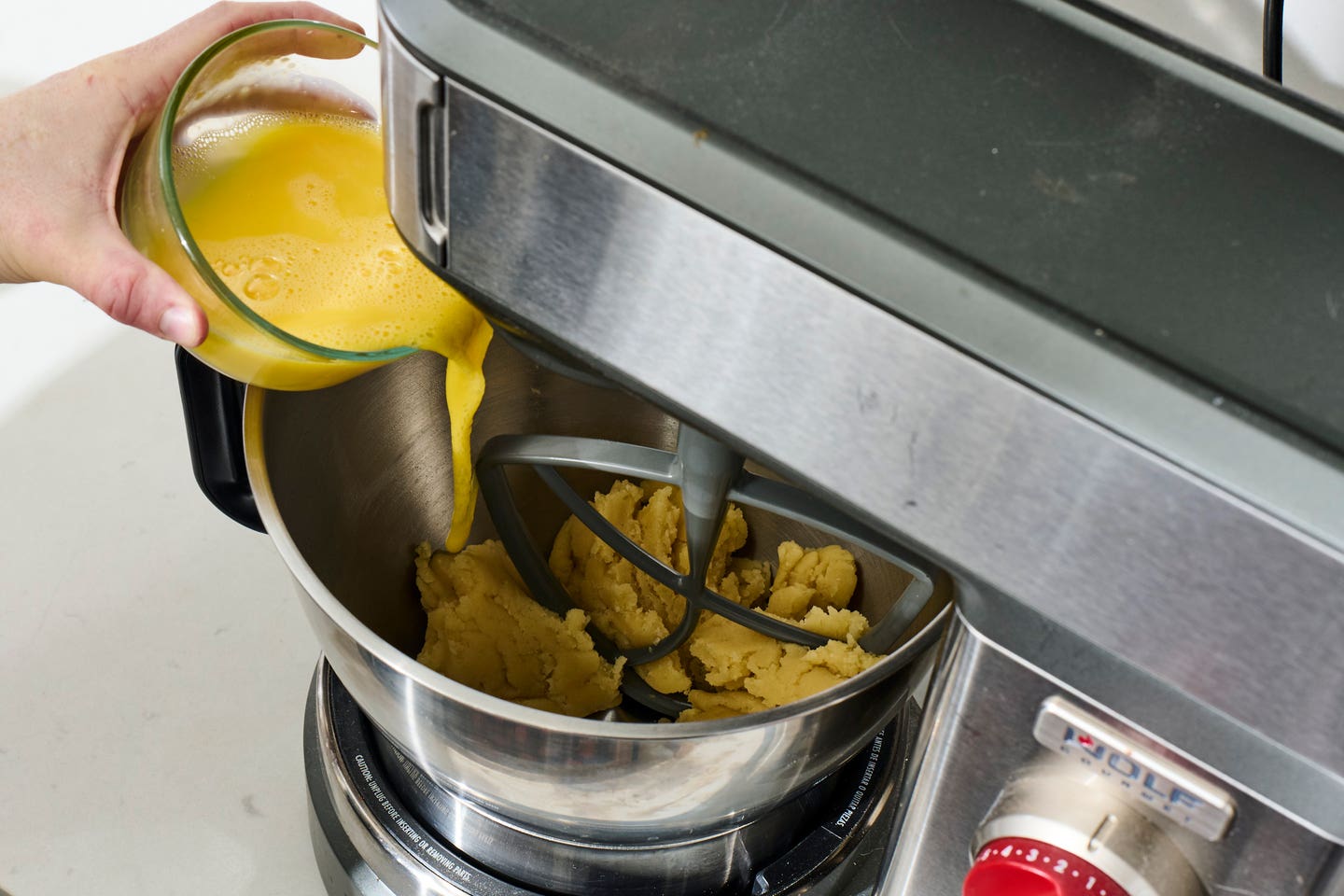

Add a small amount of the beaten eggs to the dough and mix until fully incorporated. Repeat with the remaining eggs, adding a little at a time and making sure each addition is fully mixed in. The dough should have a deep golden color and an almost spreadable, pasty texture.
Step 5: Pipe the dough.
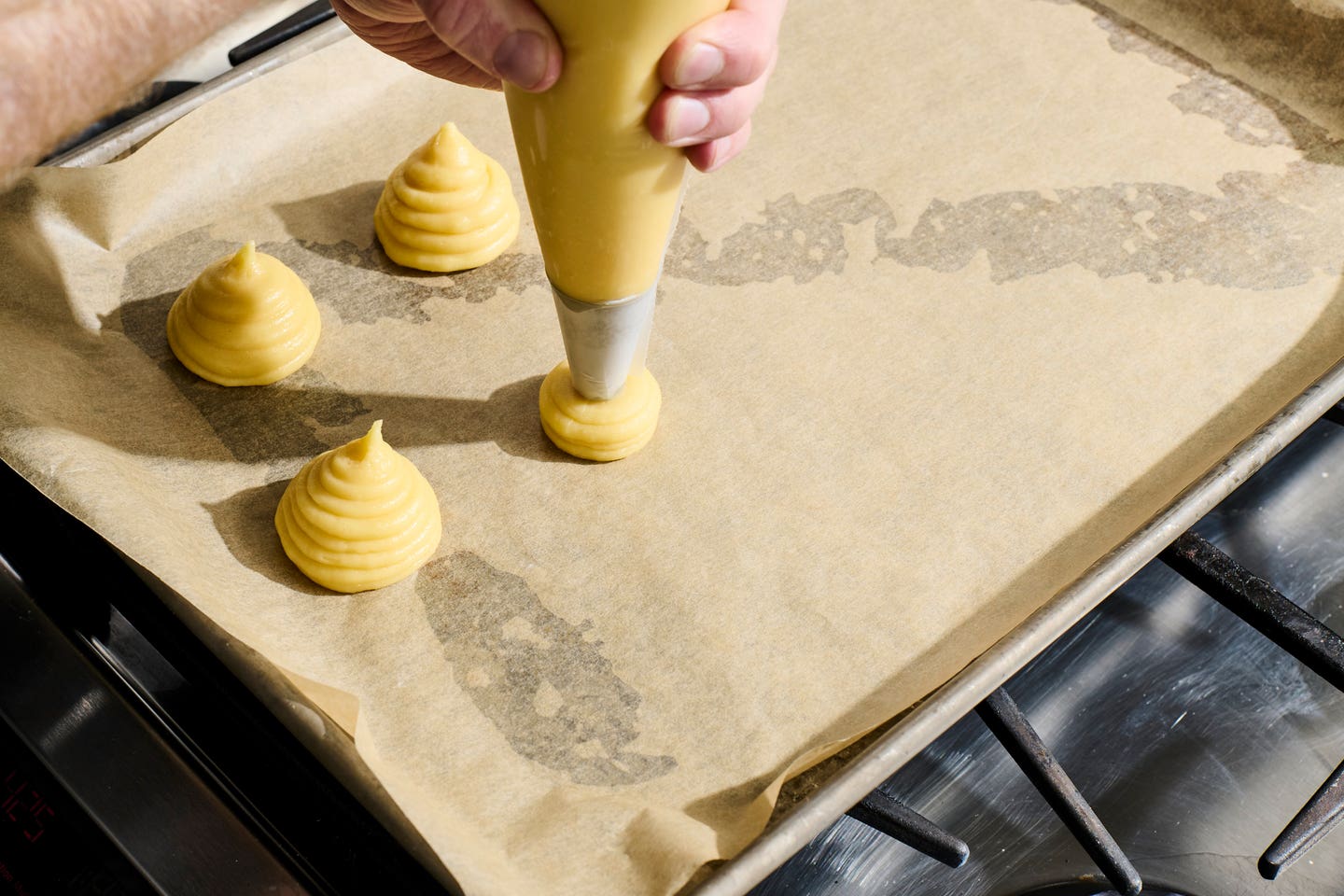

Add the dough to a pastry bag fitted with a tip and carefully pipe into a shape of your choosing—round for gougères or profiteroles, elongated for éclairs. Be sure to keep the pressure on the pastry bag steady, and use confident movements to produce the best results. It doesn’t hurt to practice piping before you bake; you can always scoop the batter back into the piping bag if the results aren’t what you’re looking for the first time around.
Step 6: Bake and cool fully before filling.
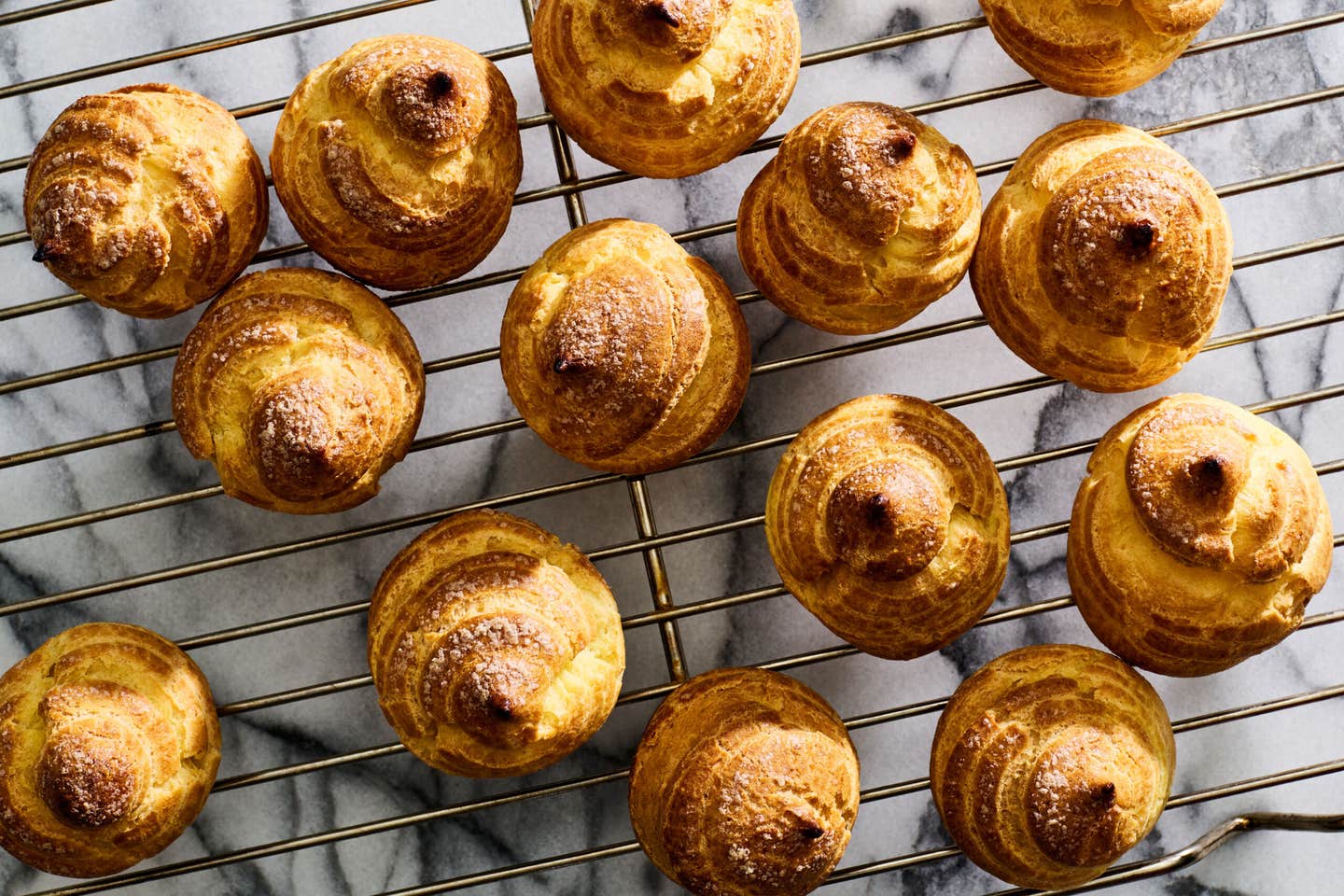

The number one mistake bakers make with pâte à choux is opening the oven too early. Doing this causes the delicate dough to collapse before it’s set, leading to dense, soggy pastry. Set a timer and resist the urge to open the oven until it goes off—by then, the dough should be solid, fully puffed, and golden brown, yielding the airy, hollow result you’re looking for.
Once baked, transfer your creations to a wire rack. If you’re making something that needs filling, like éclairs or profiteroles, allow them to cool to room temp first so your delicate fillings don’t melt.
Like most baking endeavors, learning to make pâte à choux takes a little bit of time, but it’s totally worth it and it will open up your culinary repertoire to a slew of sweet and savory creations. Here are a few of our favorites:
Recipes


Keep Reading


Continue to Next Story